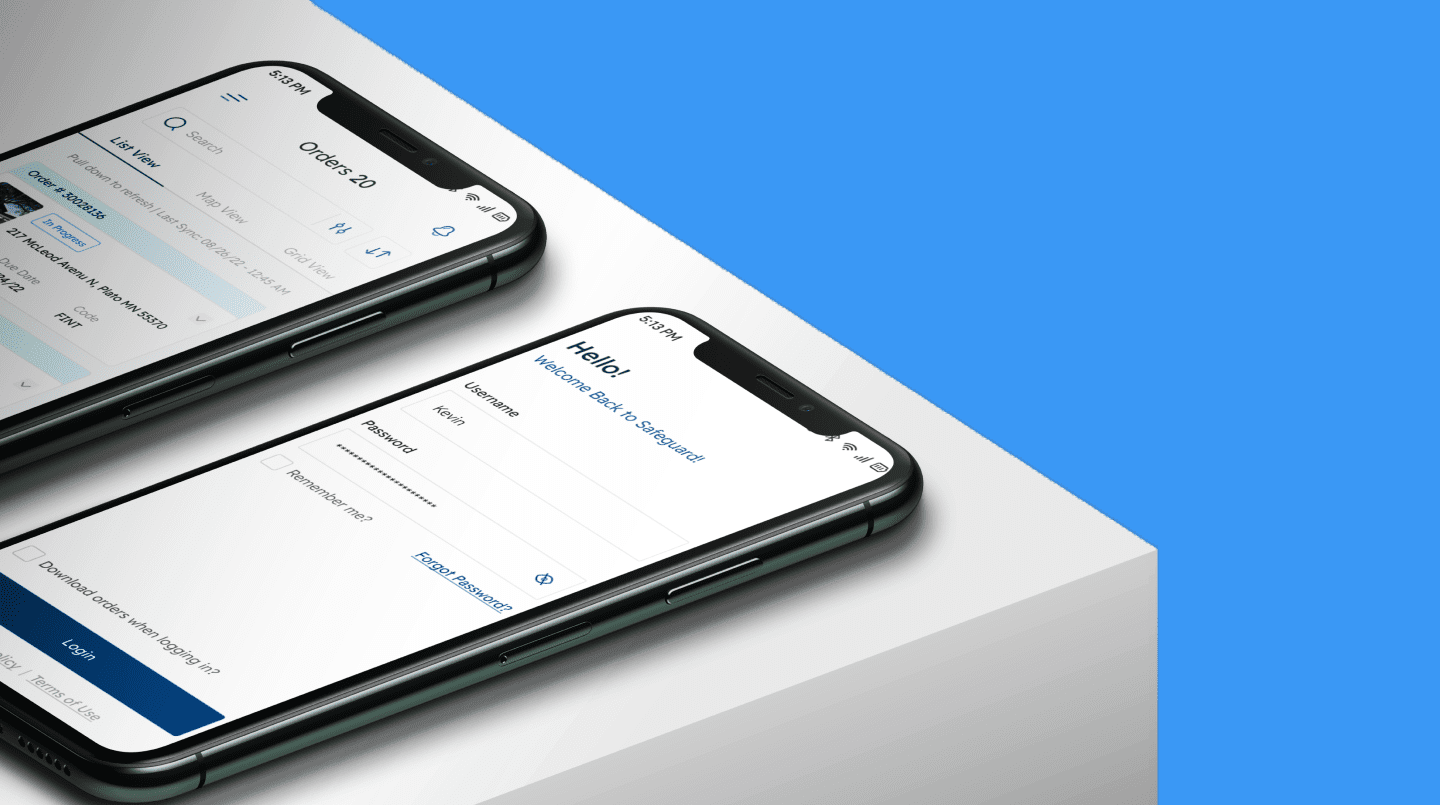
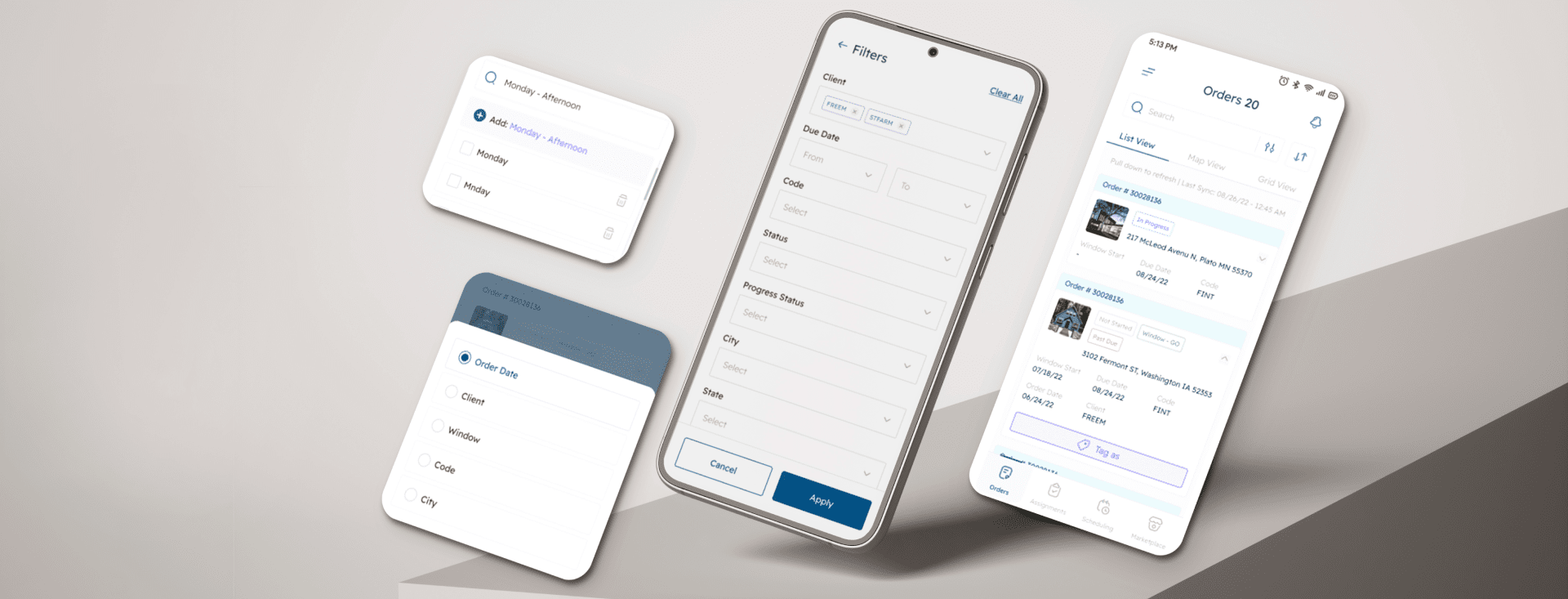
The new system introduced an AI-driven inspection engine that transformed the property evaluation process. Large language models (LLMs) and computer vision were integrated to analyze inspection data, ensuring greater accuracy and consistency.
One of the most impactful enhancements came through AI-powered image analysis. The new app automatically examined property photos, identifying key visual elements such as structural damage, overgrown vegetation, or safety hazards. AI then cross-referenced these findings with the property’s inspection checklist, eliminating the need for auditors to manually verify each image. This automation significantly reduced processing time and improved the reliability of reports.
The AI model analyzed property photos in three key ways. First, it assessed individual images using computer vision to detect property conditions and compare them to expected results. Second, it mapped photo labels to the corresponding checklist sections, ensuring that images and reports were correctly aligned. Lastly, it grouped visually similar photos into categorized collages, making it easier for auditors to review related findings and quickly identify inconsistencies.
Beyond image analysis, the mobile app’s questionnaire system was redesigned to be dynamic and AI-driven. The core script engine, built using React.js and TypeScript, automatically adjusted the sequence and content of inspection questions based on property type, inspector responses, and AI-detected conditions in submitted photos.
This ensured that each inspection was tailored to the property’s unique characteristics, reducing unnecessary manual inputs while improving the quality of collected data.
The app incorporated real-time image validation and orientation detection to further enhance efficiency.
The AI system analyzed device positioning to ensure that inspectors captured property images correctly. If a photo was taken at the wrong angle or failed to meet quality standards, the app provided immediate feedback, prompting inspectors to adjust their shots. GPS metadata validation was also integrated to confirm that photos were taken at the correct location, reducing the risk of errors or fraudulent submissions.
The new mobile app was developed using React Native, ensuring seamless functionality across both iOS and Android devices. Key integrations included GPS tracking for real-time location verification, Bluetooth support for additional field devices, and offline capabilities that allowed inspectors to complete their assessments even in low-connectivity areas. A local storage system ensured that data was securely saved and automatically synced once an internet connection was restored.
AI-enhanced Back-end and Automation
The back-end architecture was redesigned to handle large-scale data processing efficiently to support the AI inspection process.
A dedicated order registration system ensured that all incoming inspection requests were authenticated and securely processed. An image retrieval service ran at scheduled intervals, continuously collecting and organizing property photos for AI analysis. Once retrieved, these images were processed using computer vision models that compared visual findings against industry safety and maintenance standards. The AI-generated inspection results were then stored in a structured format, making them readily available for auditors.
An inspection report engine was developed to automatically generate comprehensive reports in both PDF and JSON formats. These reports consolidated AI-validated findings with inspector-submitted data, ensuring that auditors had a clear and structured view of each property’s condition. The system operated at scheduled intervals, delivering reports to Safeguard’s internal auditing team with minimal delays.
Built with Python and FastAPI, the back-end ensured high-performance API interactions, efficient data processing, and seamless integration with Safeguard’s existing infrastructure. PostgreSQL served as the primary database, providing a secure and scalable solution for managing large volumes of inspection records. The entire system was deployed using Docker, allowing for flexible and streamlined infrastructure management.